Møn - Liselund Manour House & Park
Step into one of Denmark’s most beautiful parks from the 18th-century. Here you’ll find an atmosphere that enchants you from the moment you set foot in the park.
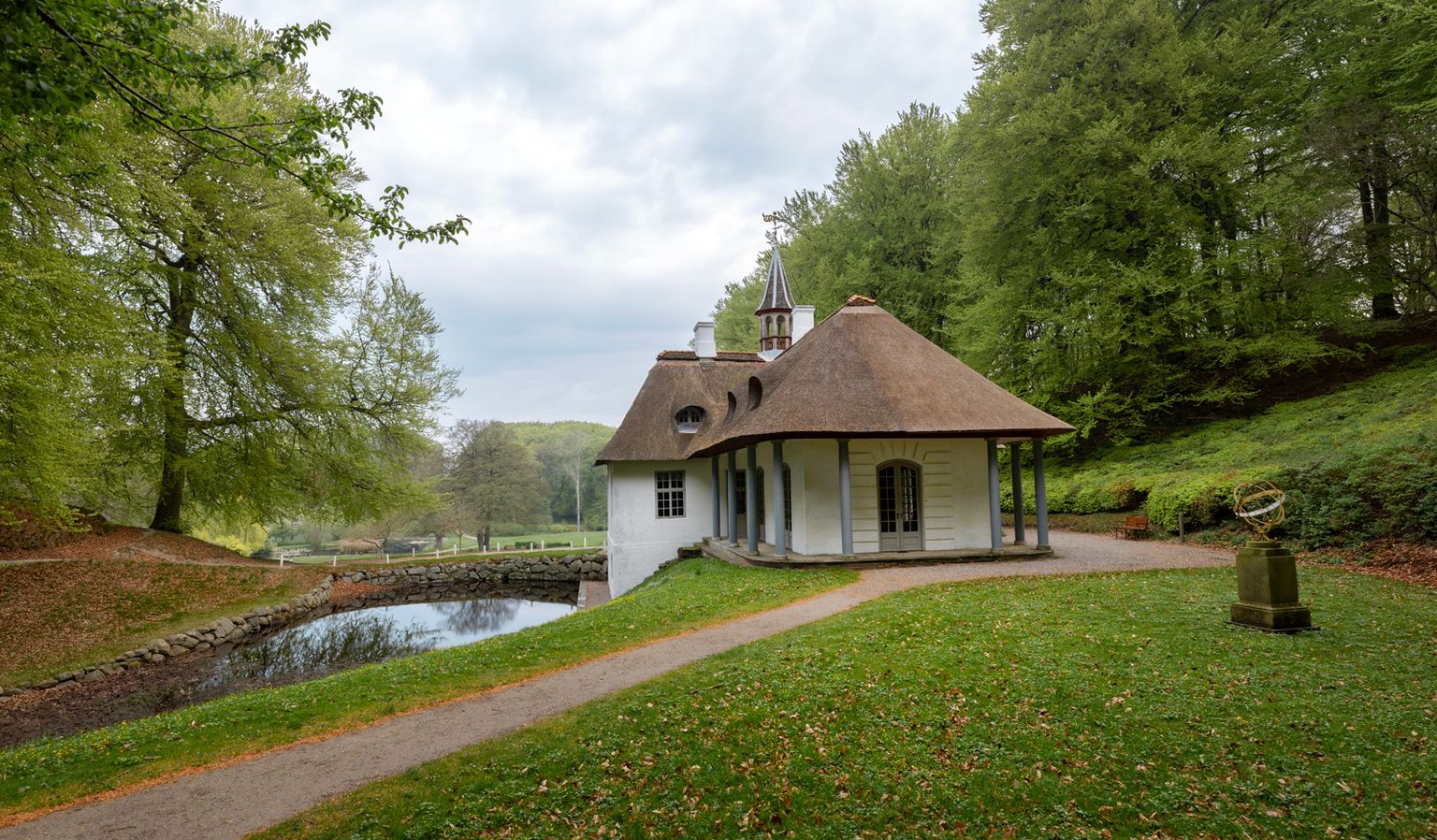
The couple Antoine and Lisa de la Calmette created Liselund as a romantic retreat for themselves and the greatest Danish artists of the time, such as H.C. Andersen, Bertel Thorvaldsen and Adam Oehlenschläger. Follow in their footsteps along the beautiful, winding paths, past lakes, flowers and exotic gazebos. Along the way, you’ll sense the park’s ideals of closeness to nature, and perhaps discover that they resonate just as strongly today as they did 200 years ago.
1.
Back to nature
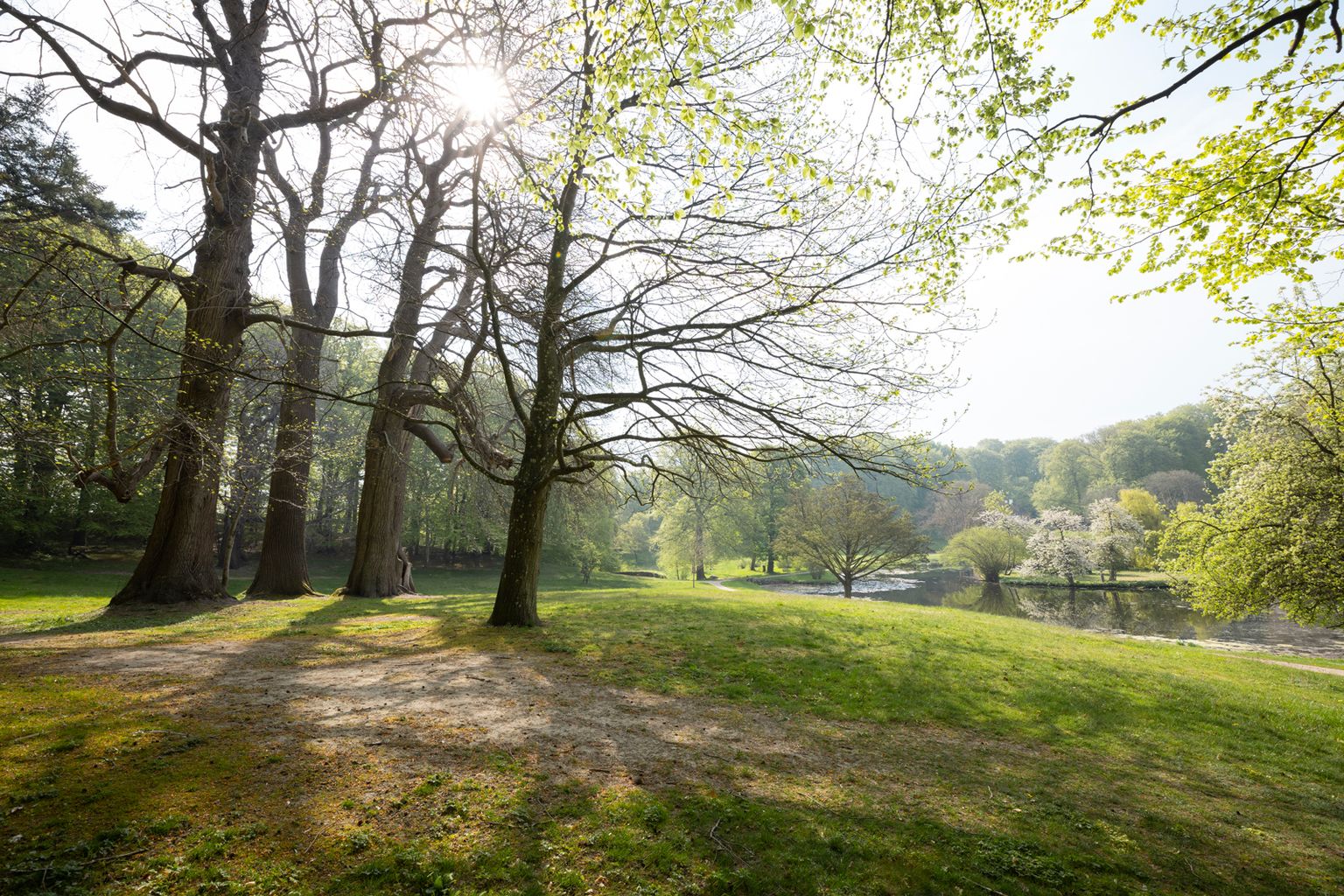
The Romantic philosophers dreamed of freeing humanity from the shackles of civilisation and returning to nature. That dream was planted in the gardens of Liselund and lives on today as a place of tranquillity and reflection. Explore the woods, enjoy a picnic on the grass, and let your thoughts wander freely amongst the clouds and flowers, lakes and blossoms.
Explore the park on a guided tour
From spring to autumn, we have regular tours
Places to ponder
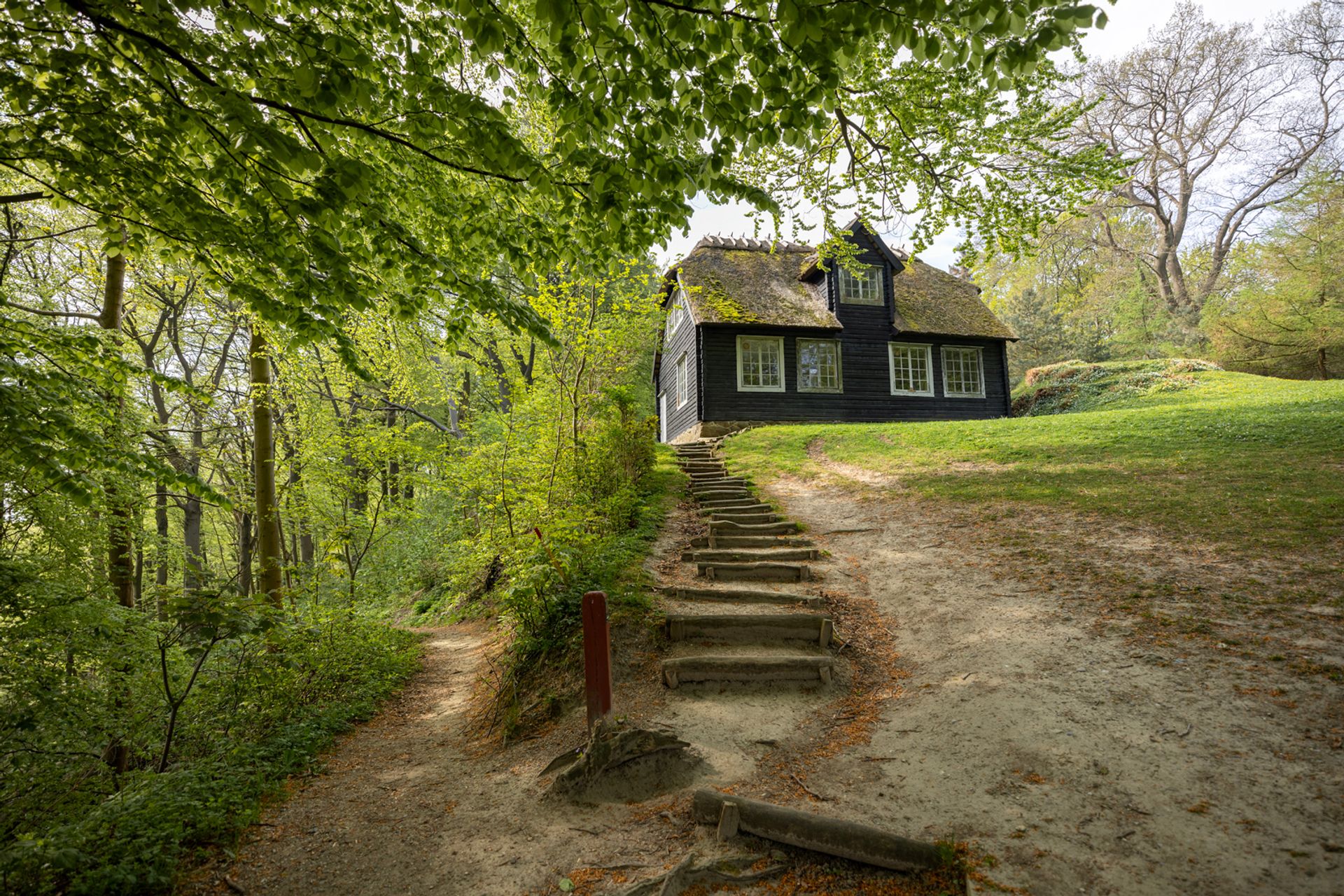
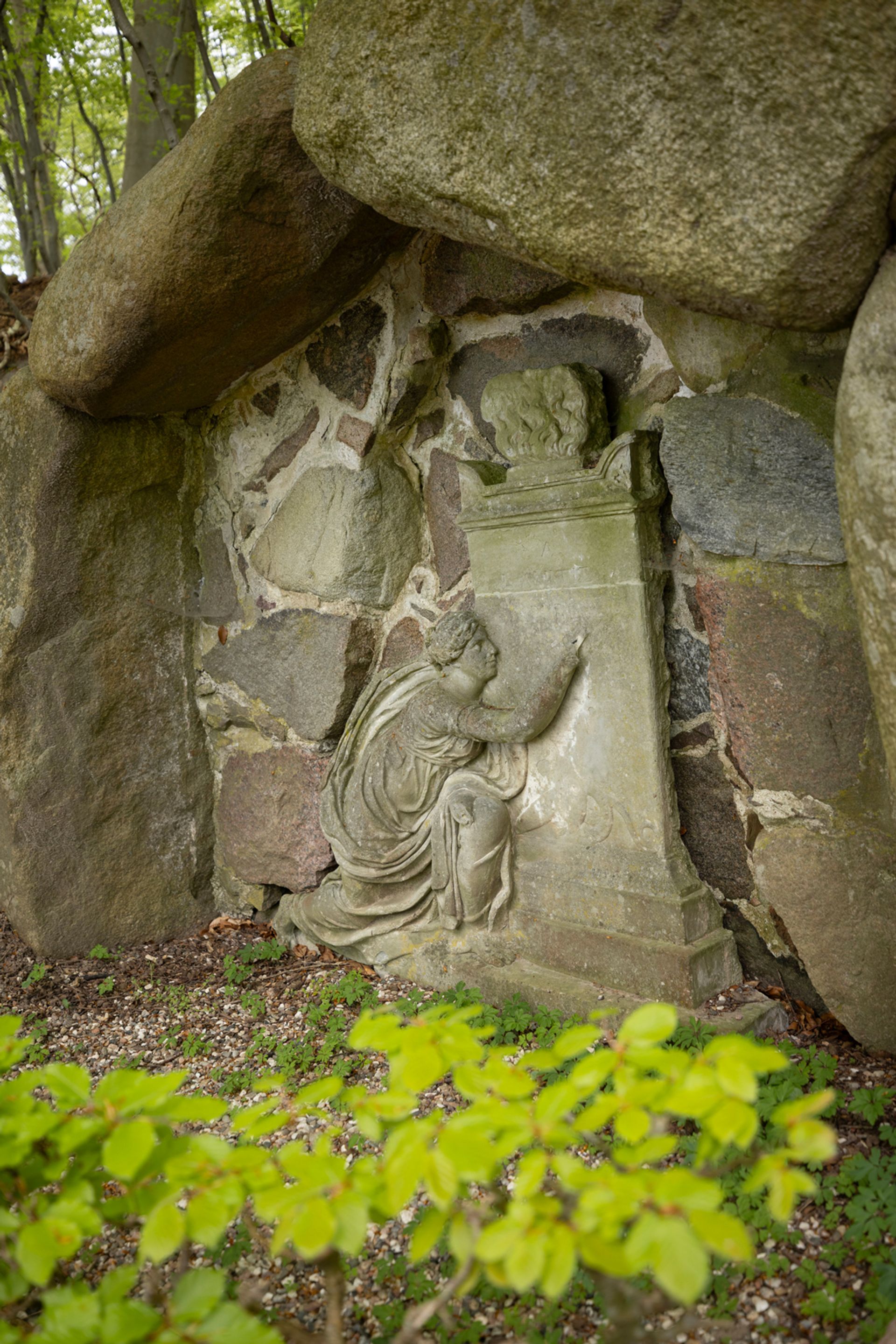
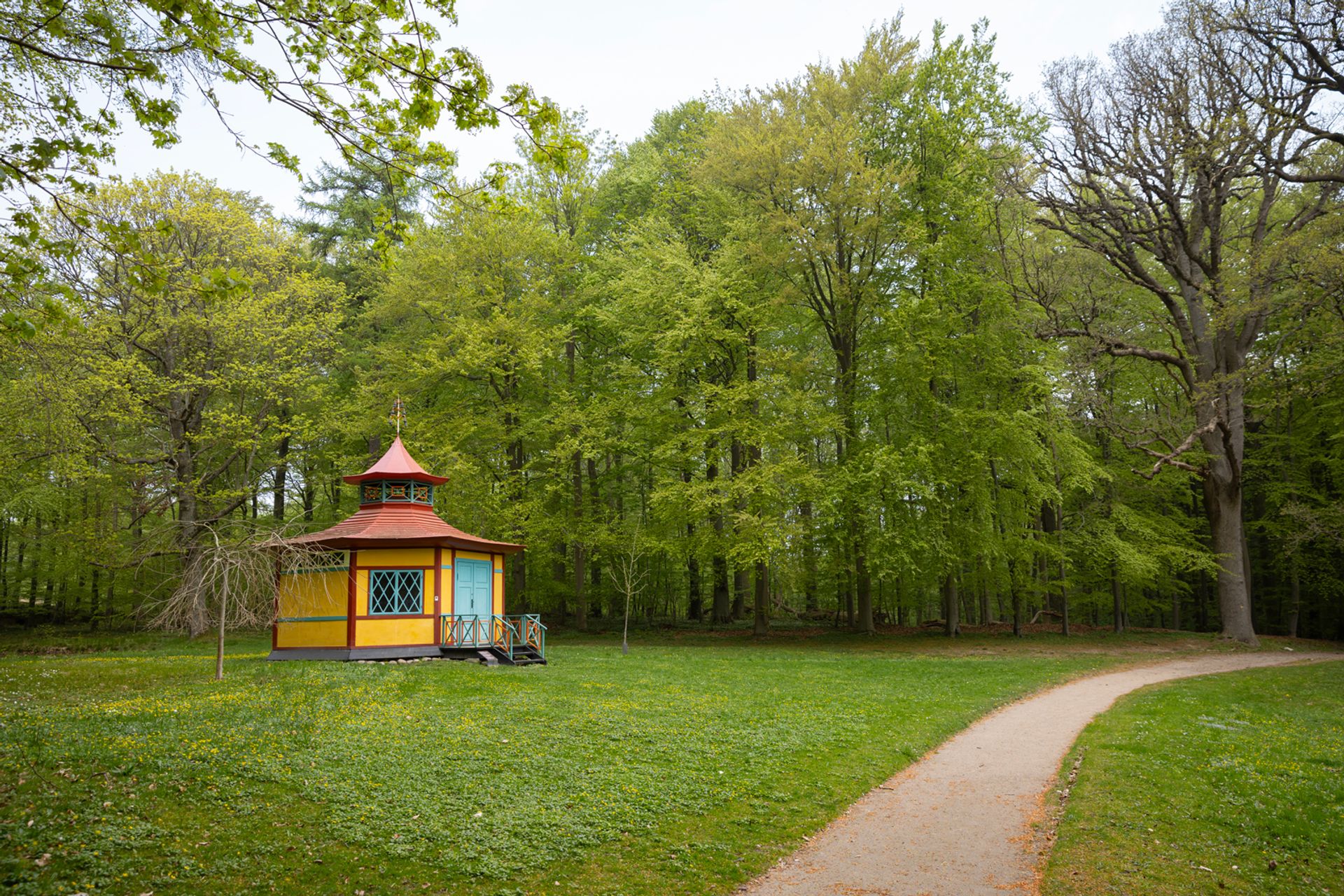
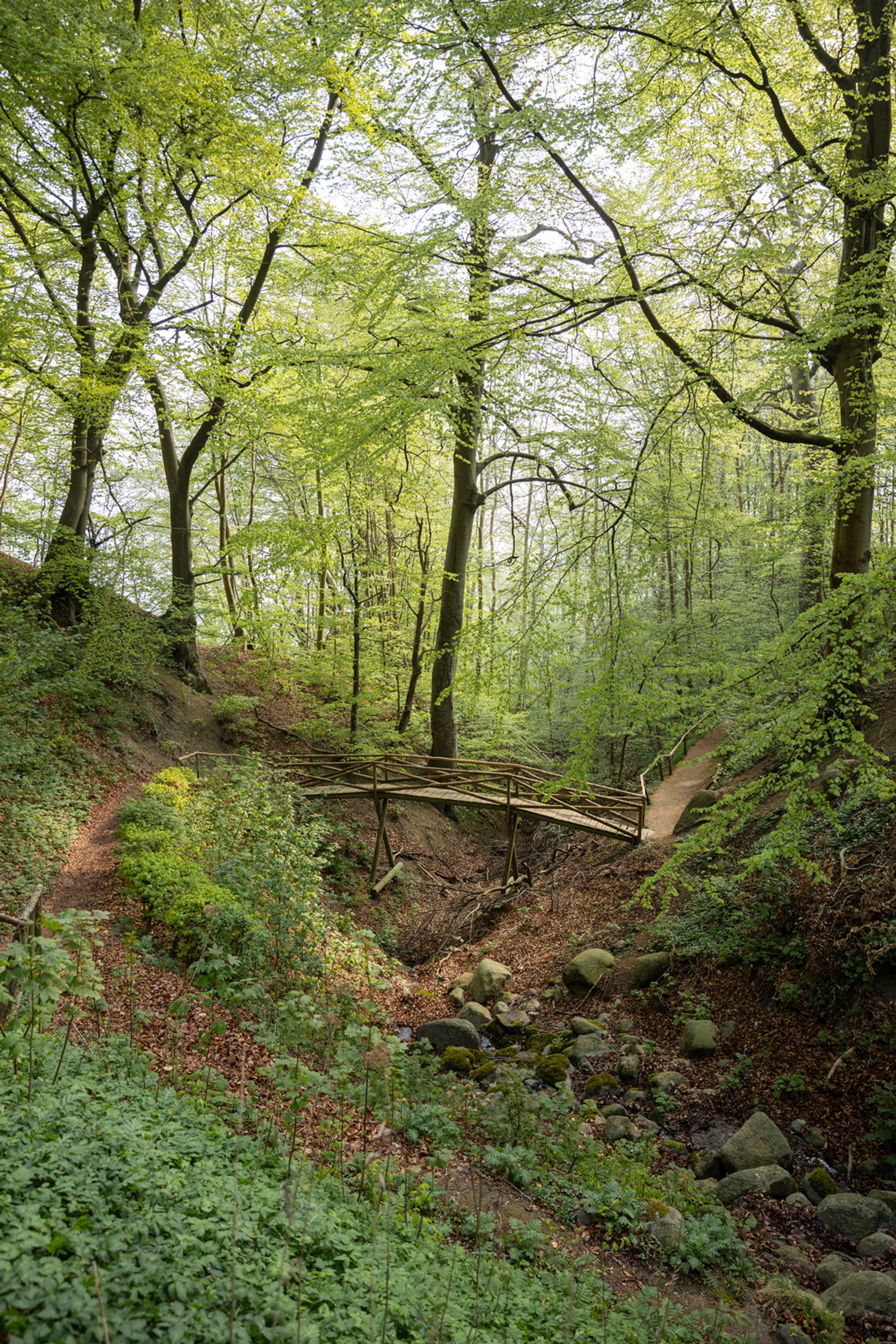
3.
A landscape created with care
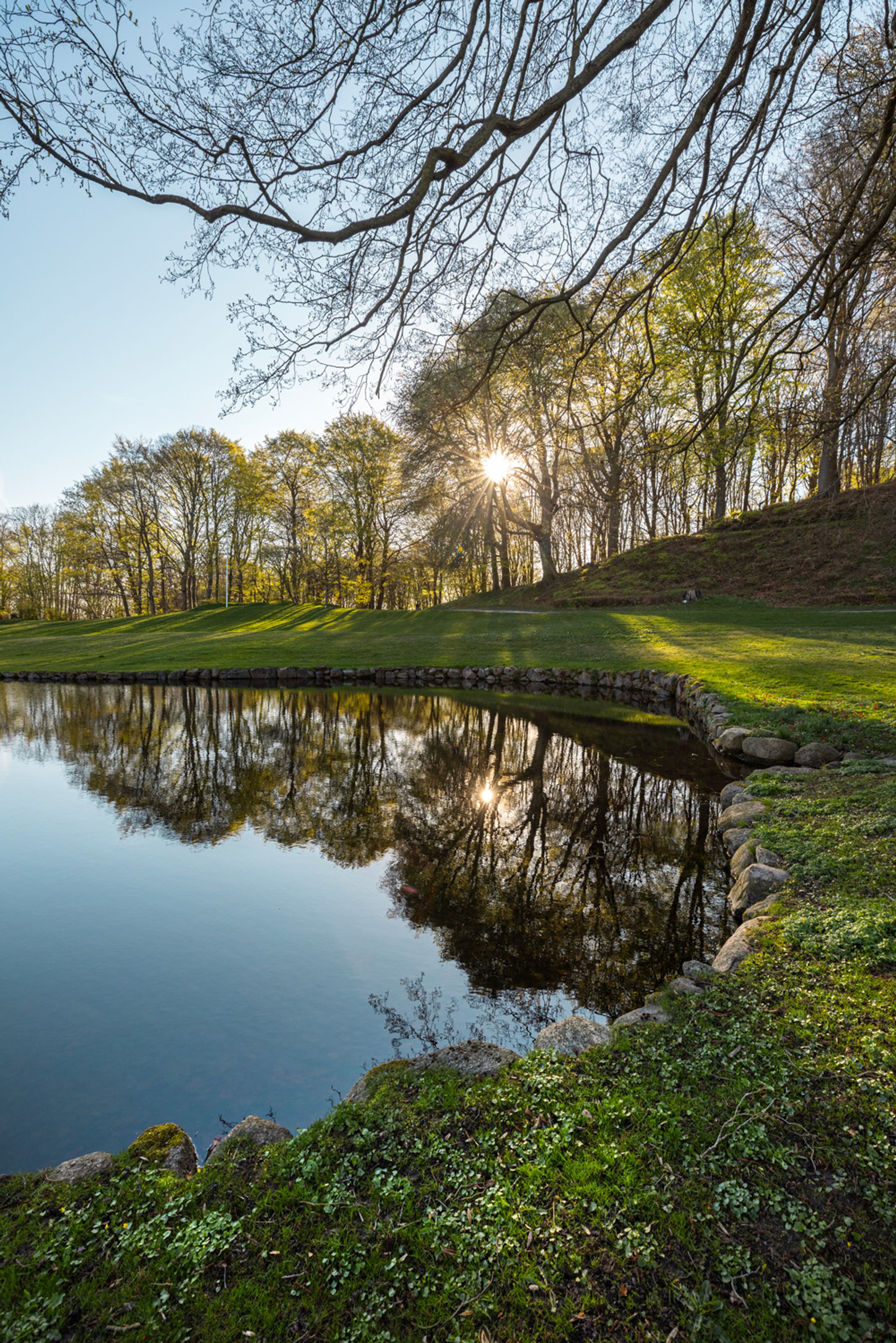
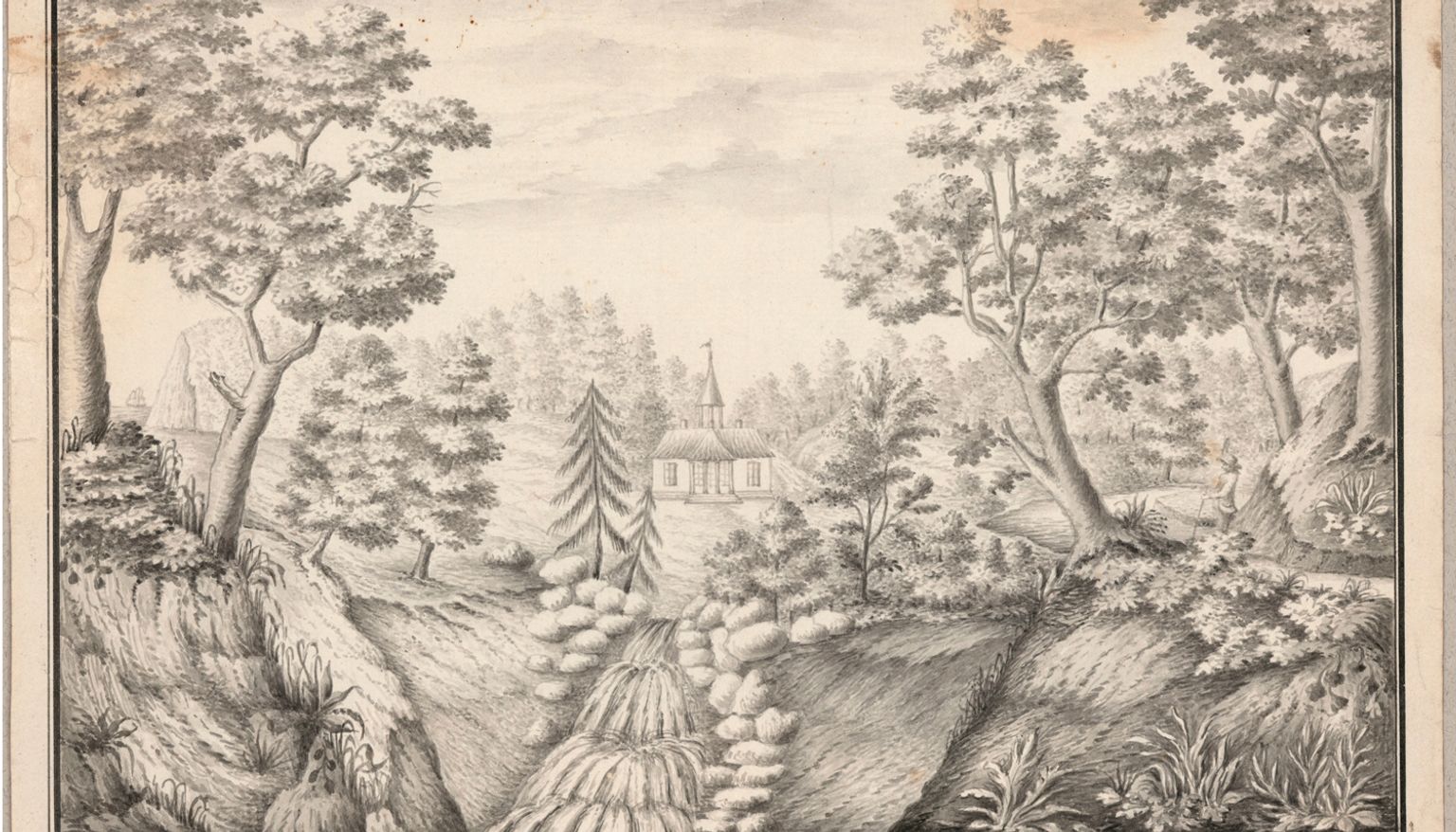
When Calmette purchased the site around 1783, it was a marsh and woodland that had to be cleared, drained and levelled before the romantic garden could take shape. The couple planned everything down to the smallest detail, with hills and lakes, ravines and woodland, where monuments and houses from distant lands are scattered across the dreamlike park, topped off with peacocks, ducks and water lilies. Today, the park lies like a clearing in the forest, where undulating terrain and winding paths offer new views and atmospheres around every bend.
Read more about the park4.
The starry sky above Liselund Park
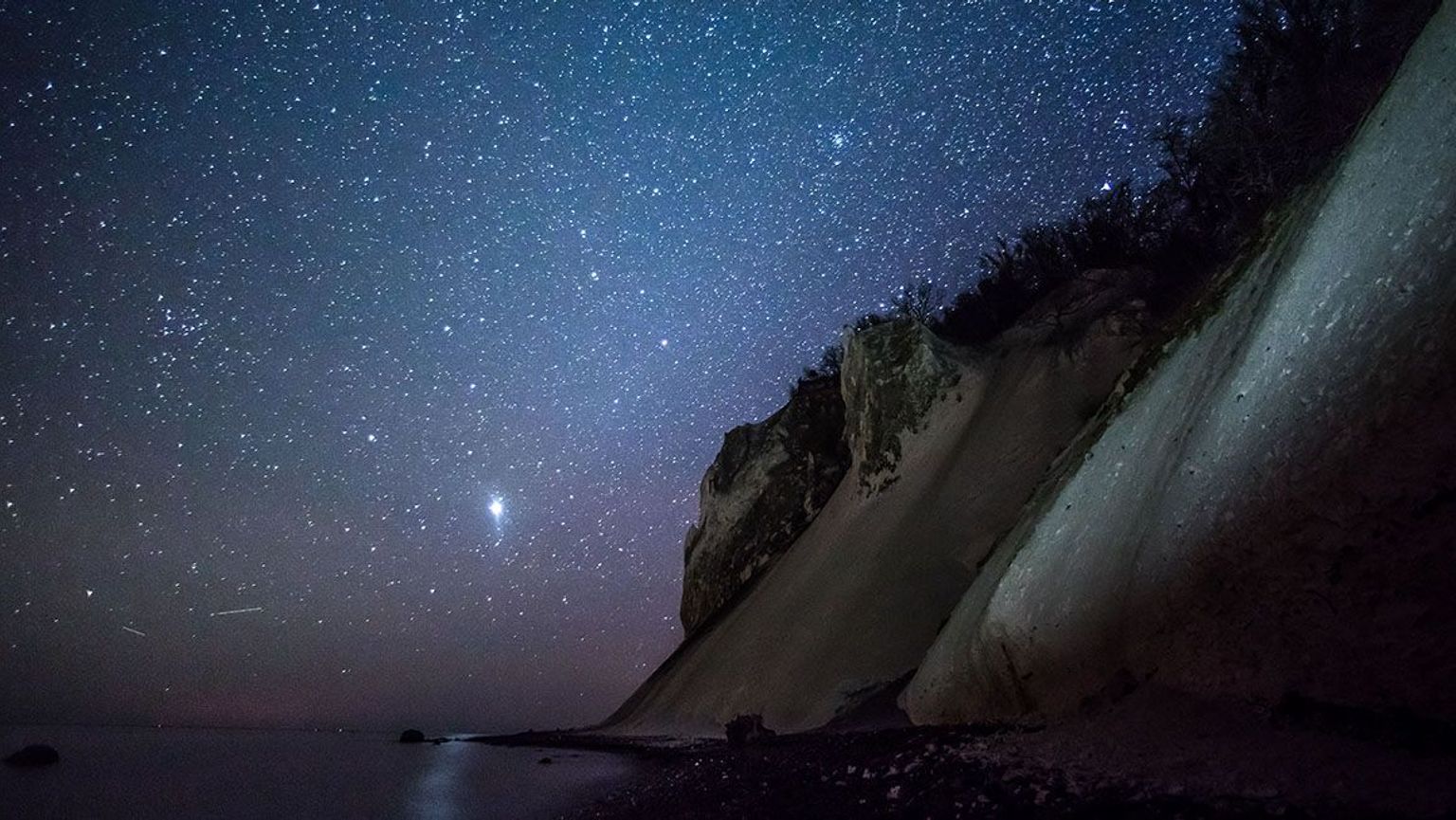
Møn is certified as a Dark Sky Park, one of the darkest places in Denmark, where minimal light pollution offers a truly unique experience of nature. If you lie down in the grass at night, the stars and planets come into view on a scale rarely seen elsewhere. In Liselund Park, you can experience the night sky in the same darkness that Antoine and Lisa knew over 200 years ago.
The history
Antoine and Lisa's summer home
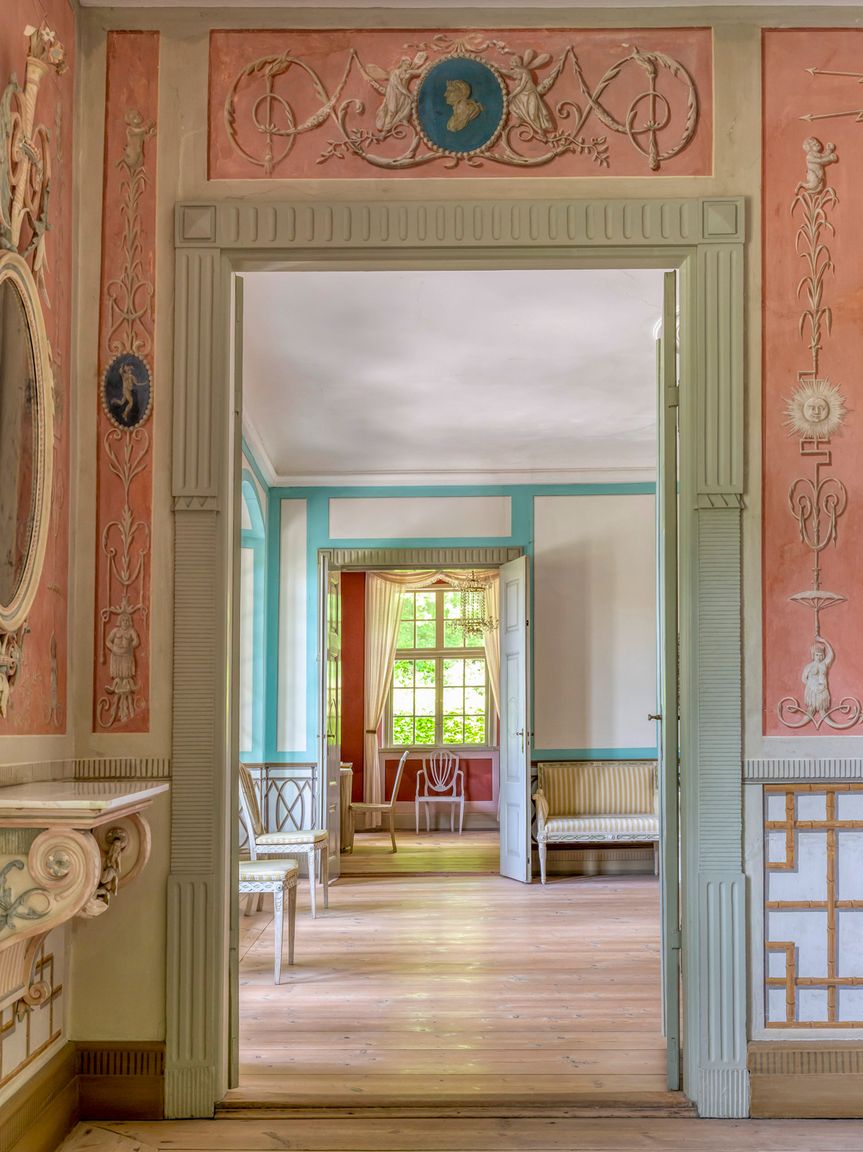
The nobleman Antoine de la Calmette named Liselund after his beloved wife, Lisa. Together, they created a garden with the orderly wildness of the Romantic era, and in the middle of the large clearing they had their little summer castle built. Here, the couple explored the free-thinking of the Enlightenment and the tension between nature and culture, and indulged in imaginative escapades in their very own paradise.
Delve into the history of Liselund