
The park
17831805
- Area today
- 292 hectares
- Tree species
- Oak, beech, chestnut, mulberry, walnut, spruce, pine, stone pine, cypress, yew and thuja.
The park at Liselund holds far more than beautiful scenery. Behind every monument, every building and every winding path lies a carefully considered story of love, dreams and longing for the natural world.
1.
Nature was meant to seem unspoiled and free
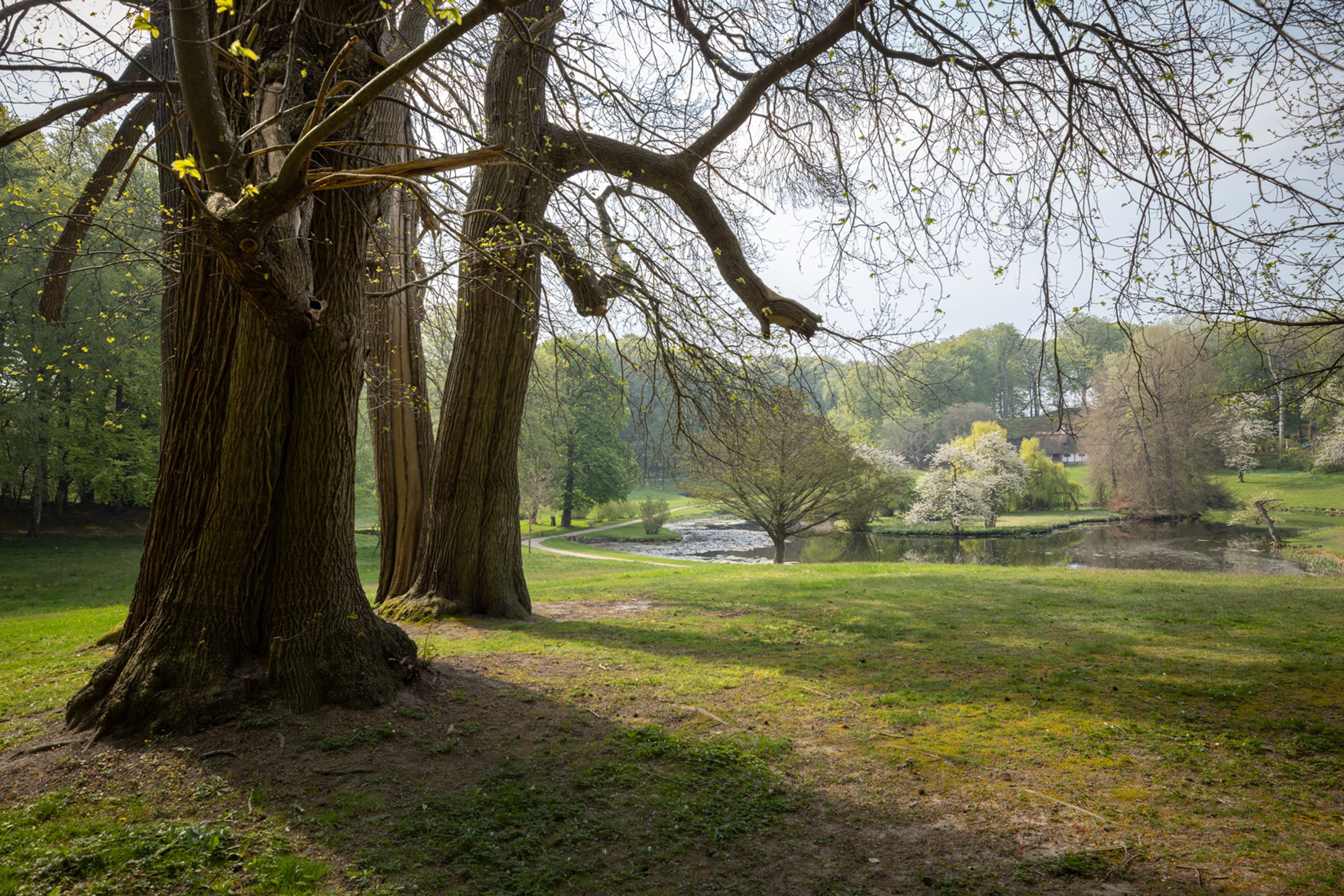
When Calmette acquired the estate, it was marshland and woodland. Everything was transformed, yet the ideal was for the park to appear as natural as possible. Trees from Denmark and abroad were planted with great care, paths were laid in gentle curves, and lakes were formed from dammed marshwater. The result is a wonderful paradox: everything here is man-made, yet nothing is meant to look that way.
Visit the Park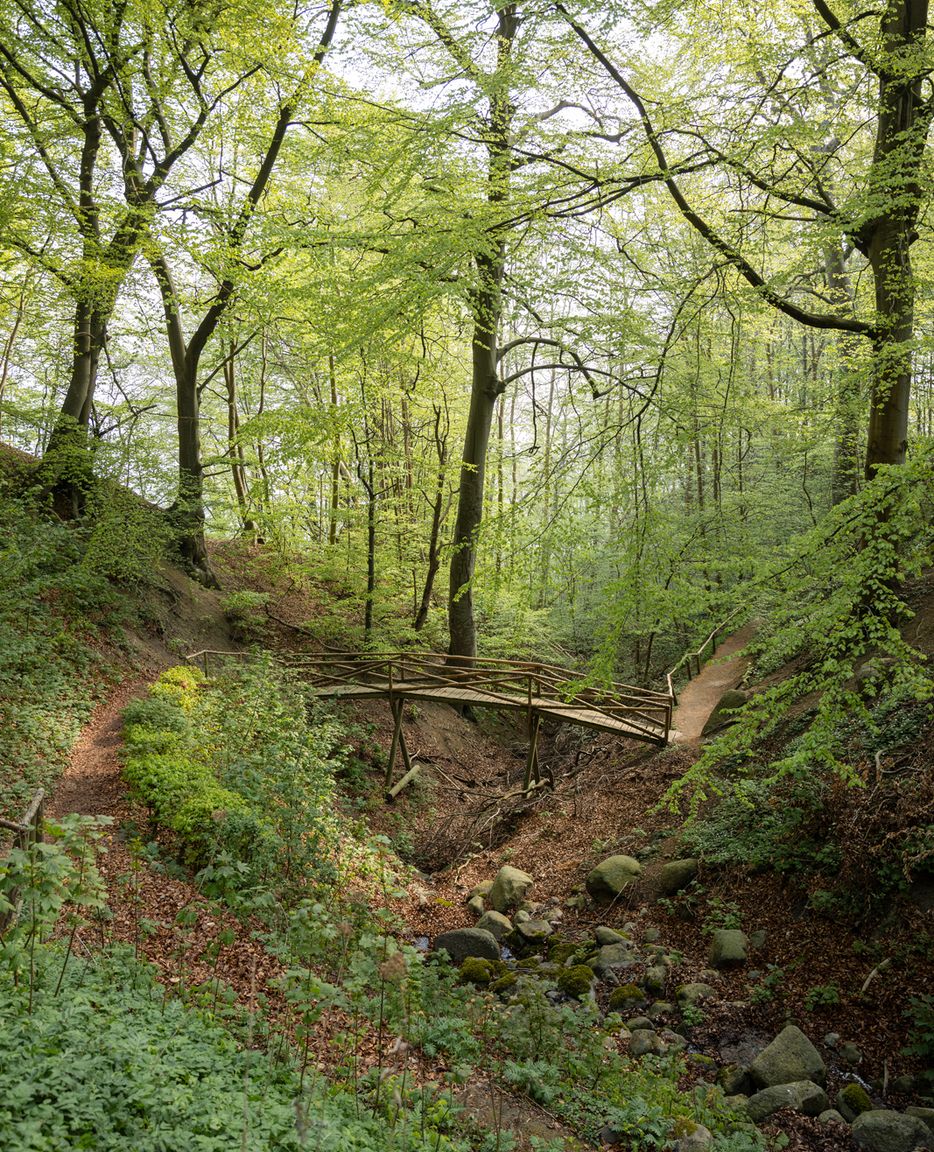
2.
A sanctuary for dreams and reflection
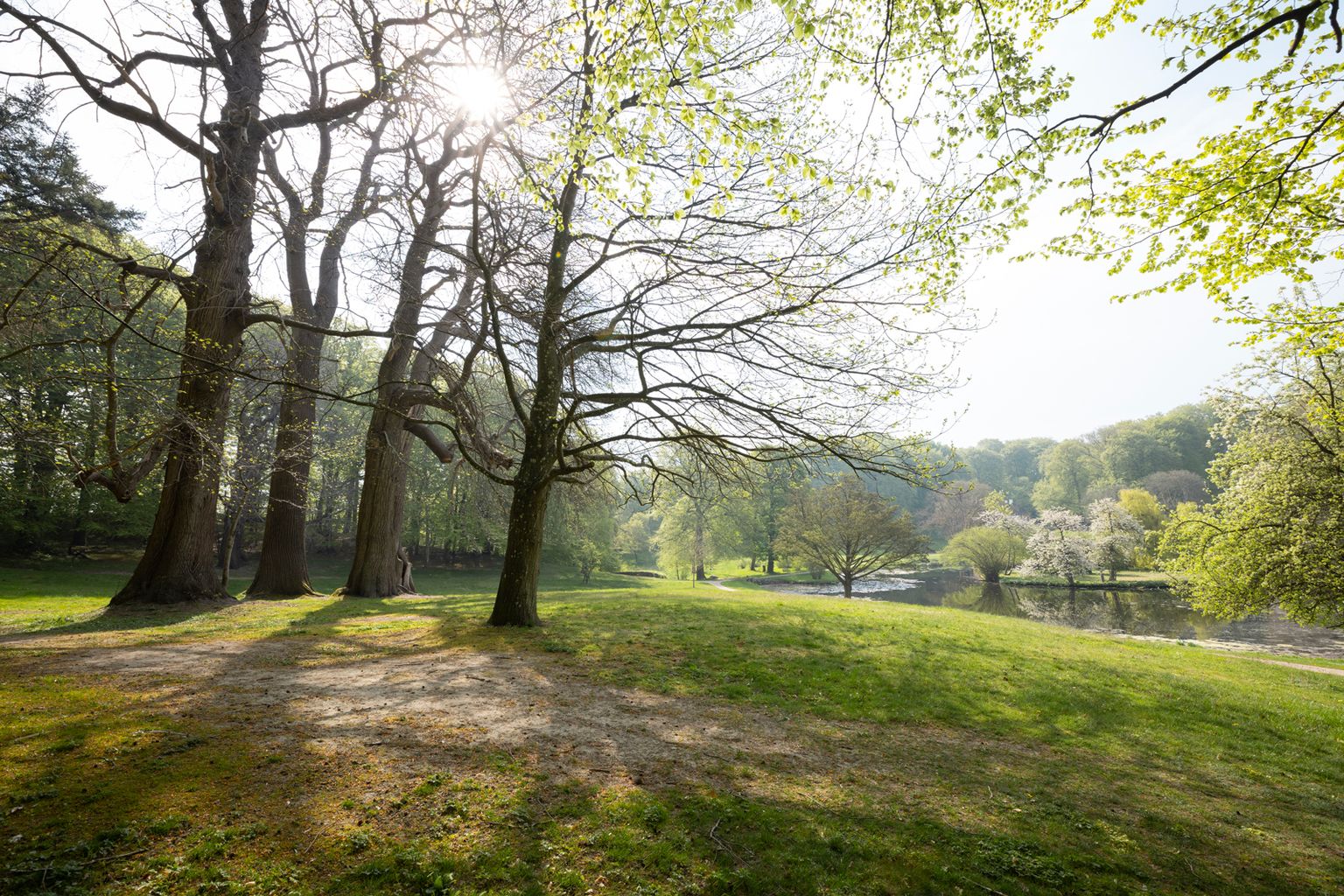
The gardens of the Romantic era were not merely decorative. They were designed to stir emotions, provoke thought and pose life's great questions. The same holds true at Liselund. The paths lead from the safe and harmonious into the wild and dramatic, and every shift in the landscape is conceived as a scenery that speaks directly to the visitor.
Visit the Park3.
Monuments to love and devotion
Throughout the park, Lisa and Antoine placed monuments bearing witness to their devotion to one another. The Graces Stone carries a marble relief of two of Lisa's sisters, waiting for the third grace, Lisa herself. By the Skriver Lake, a sandstone relief shows a kneeling woman consecrating an altar to the purest of friendships.
Visit the Park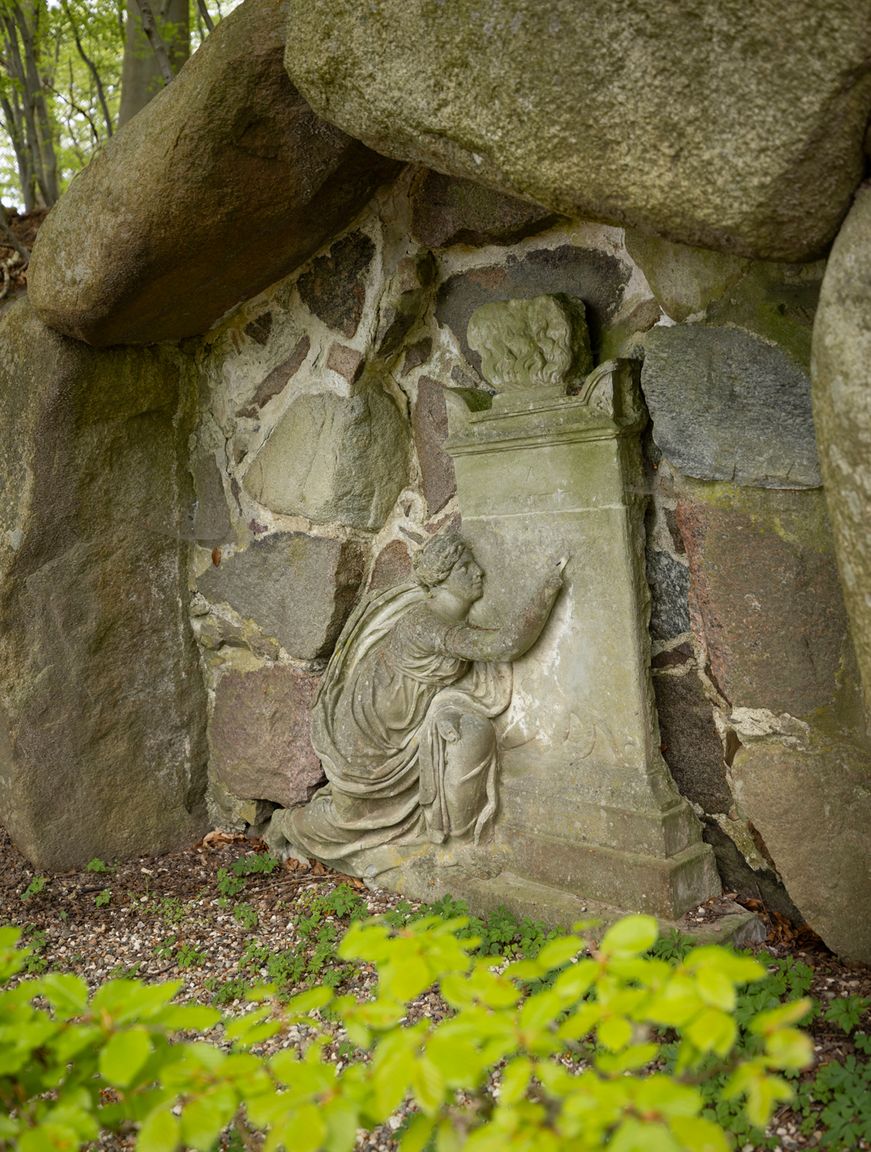
4.
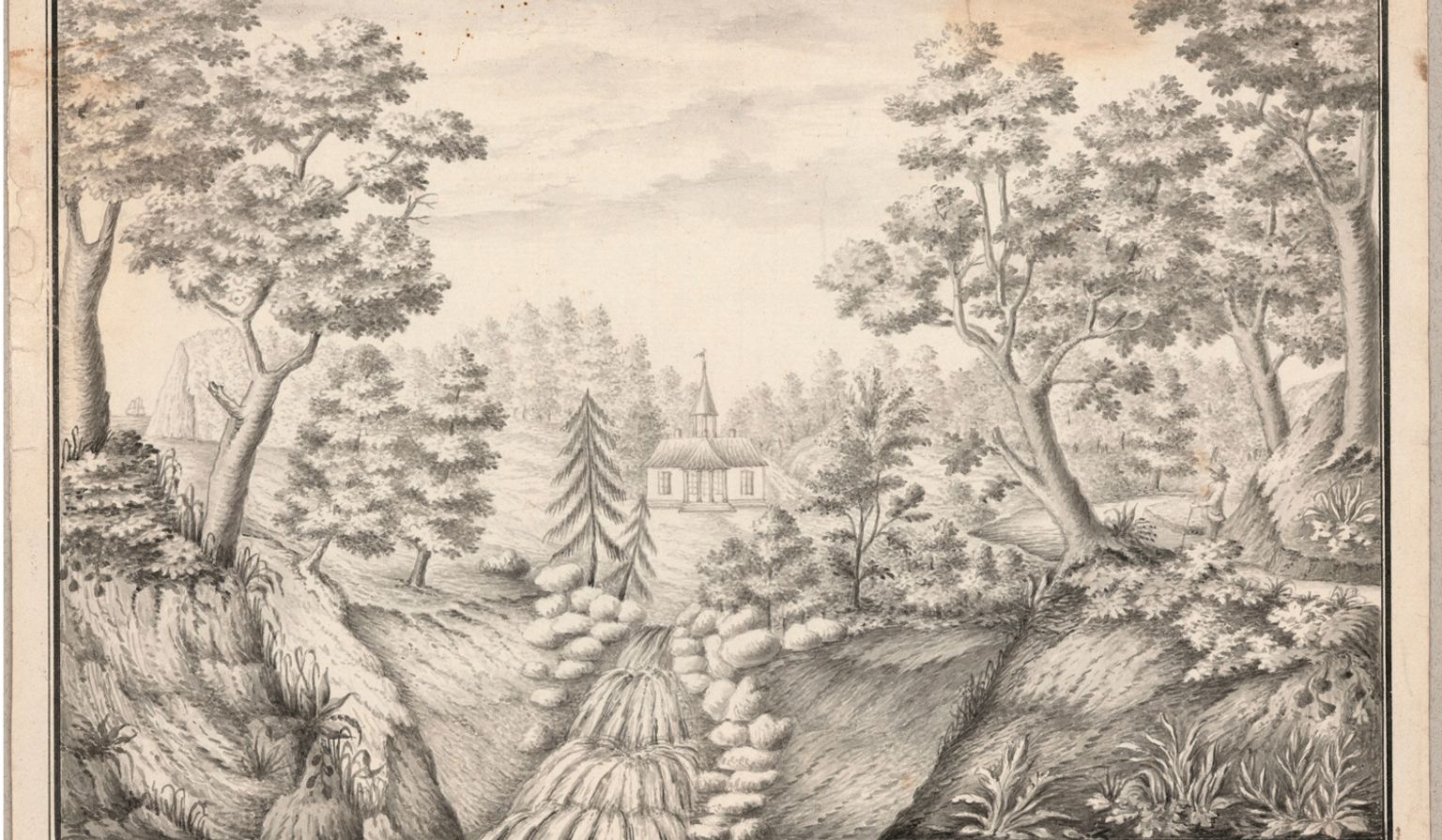
A park that was once far larger
The park at Liselund stretches out to the Møn cliffs, and that closeness to the clifftop has come at a cost. It may have been the many damming works and alterations to the watercourses that caused the cliffs to be undermined over time. In 1903, a small part of the estate slid into the sea, and in 1905 a large portion of the park disappeared entirely. In all, more than 10 hectares were lost. Buildings including a bathing house, a chapel and an intentionally ruined hilltop fortress have sadly been lost forever.
Visit the Park5.
Exotic houses hidden throughout the park
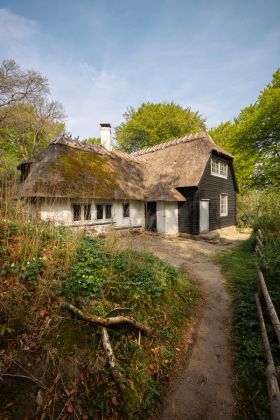
The park's buildings are not gathered in one place, but scattered across the landscape like surprises along the paths. Each house is designed in its own distinct style — Swiss, Norwegian and Chinese — and sits in harmony with the nature that surrounds it. Together, they turn a walk through the garden into a journey between worlds.
Læs mere om parkens huse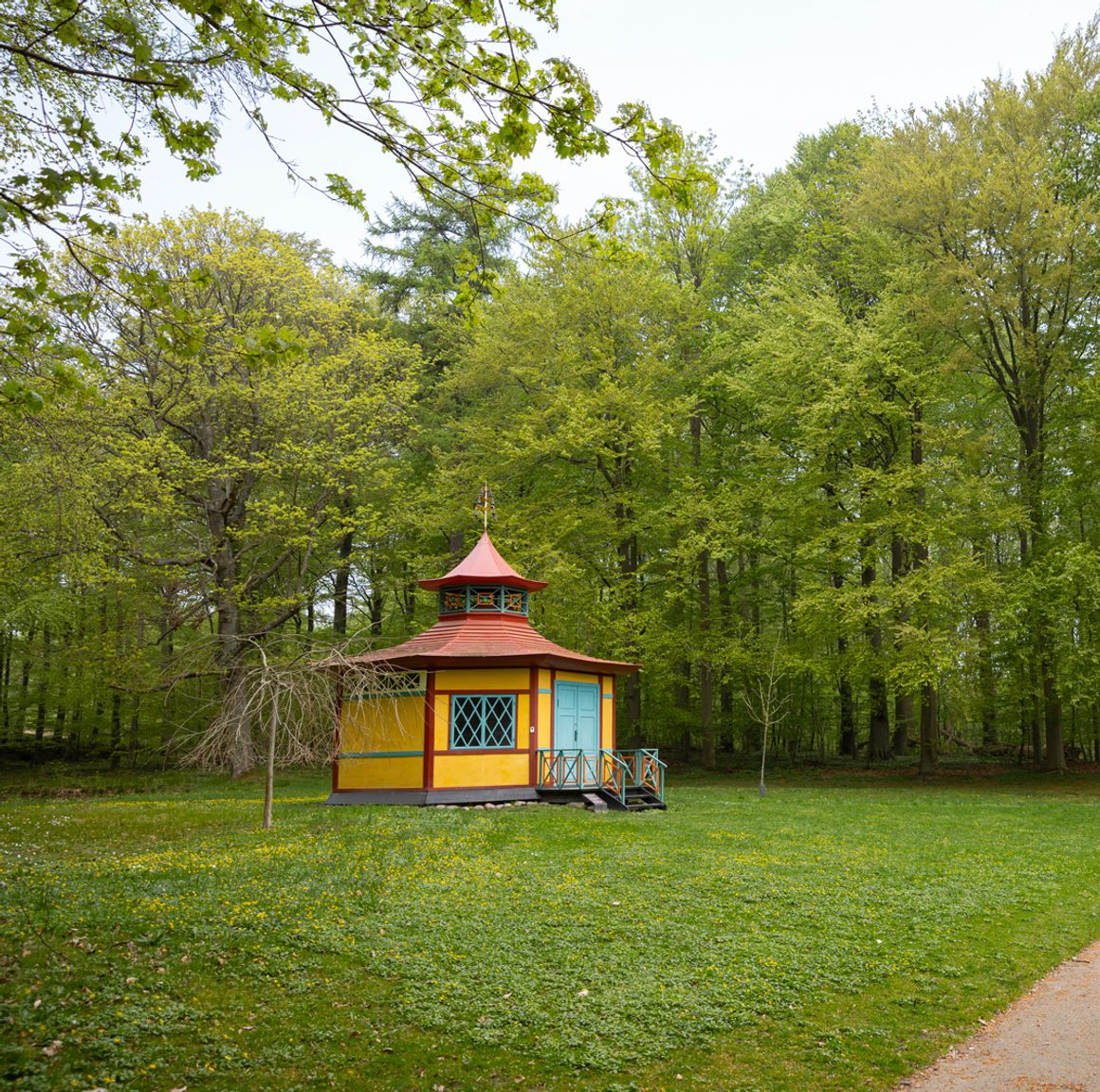
Join a guided tour
Every Saturday and Sunday

Article
The Chinese Pavilion is a dream of the East
Article
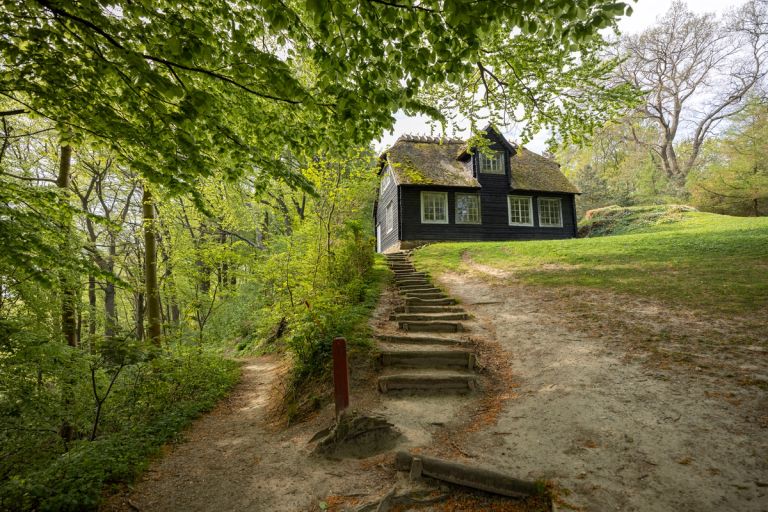
The Norwegian House hides Pompeii behind the timber