
The Calmettes
17521877
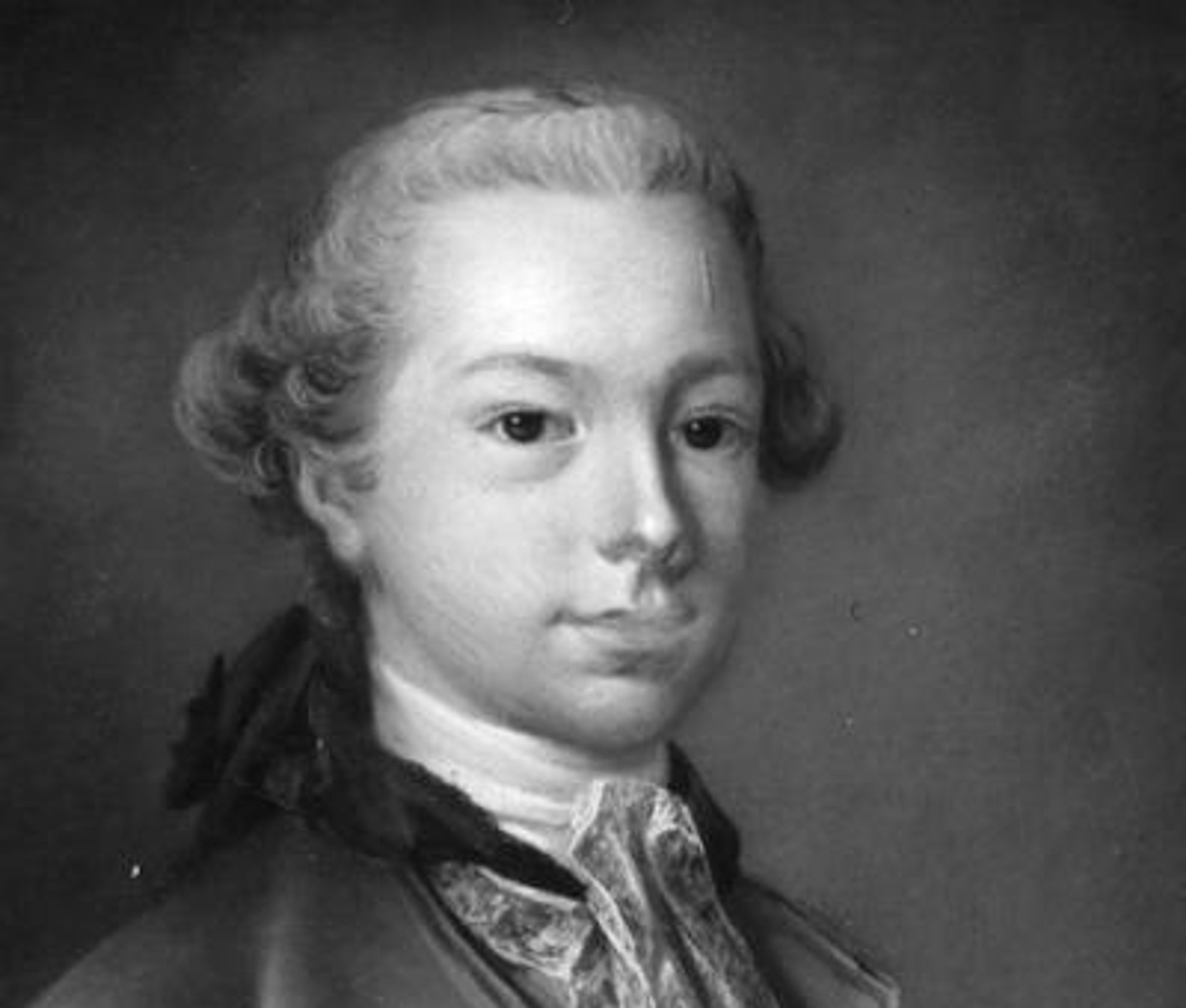
- Antoine de la Calmette
- 1752–1803. District administrator of Møn and Nykøbing, and builder of Liselund.
- Lisa de la Calmette
- 1759-1805
- Charles de la Calmette
- 1781–1820. Son of Antoine and Lisa. Died childless.
In 1783, a young aristocratic couple purchased a vast estate on East Møn. Over the next decade, they transformed it into one of Denmark’s most enchanting country estates, shaped by love, a love of travel and a shared passion for garden design.
1.
The man with the vision
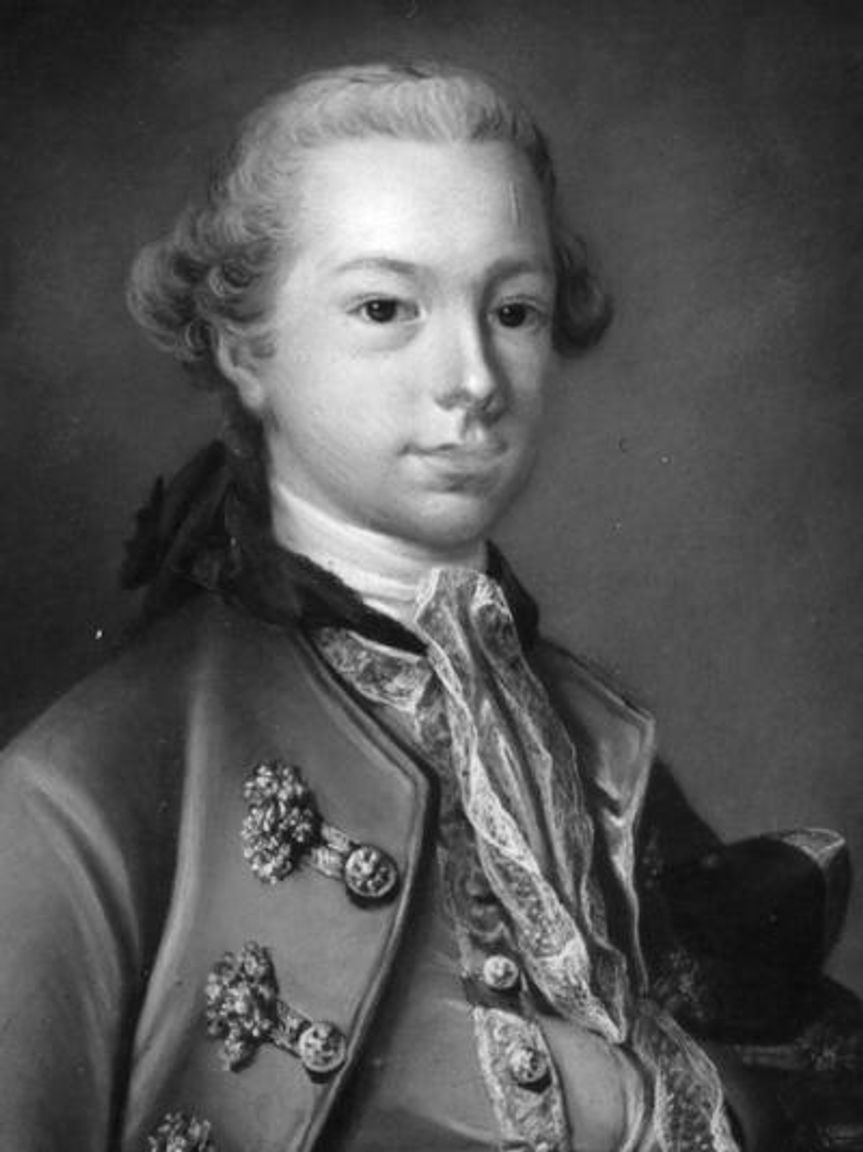
Antoine de la Calmette was the district administrator of Møn and the owner of Marienborg, but it is as the builder of Liselund that he is remembered. Together with his wife, he travelled the length and breadth of Europe’s romantic gardens to gather inspiration for their own dream home on the cliff. He was only able to enjoy his creation for a little over ten years before he died in 1803.
2.
The woman behind the name
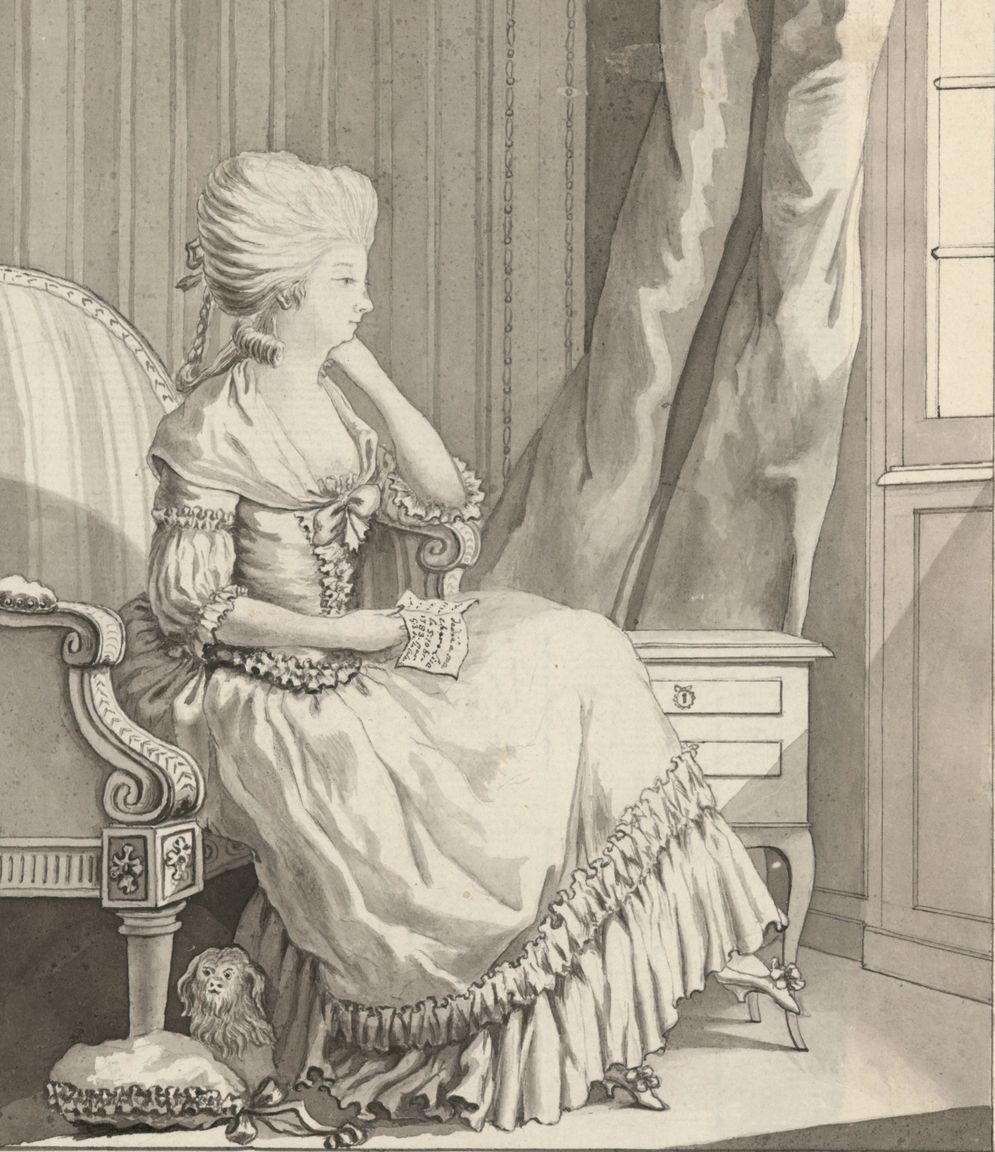
Anna Catharina Elisabeth Iselin, known as Lisa, lent both her name and her spirit to Liselund. She was Antoine’s equal in the planning of the garden, where the ideas of the Enlightenment met the wondrous world of Romanticism. After Antoine’s death, she remained at Liselund until her own death in 1805.
3.
From educational trips to the garden of your dreams
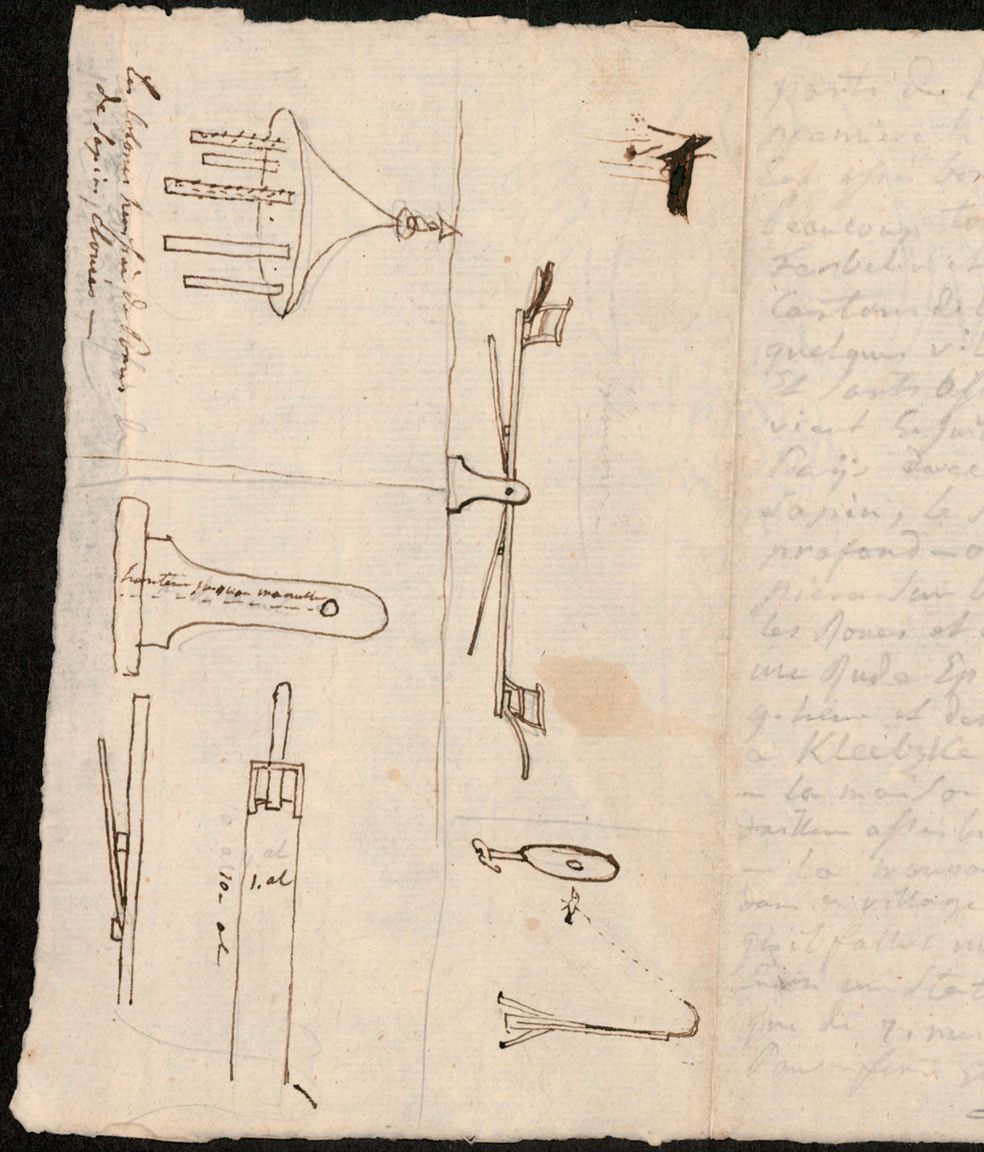
As a young nobleman, Antoine undertook a grand tour of Europe, during which he studied garden design in both England and France. In 1790, the couple travelled to Karlsbad in Bohemia, and in 1798–99 they undertook a major journey to Vienna, where Antoine sketched manour houses, Chinese boats and landscapes along the way. Their travel diary, kept by a secretary and supplemented with Antoine’s own drawings, describes towns, gardens and architecture in minute detail. Many of these ideas were brought to life at Liselund.
4.
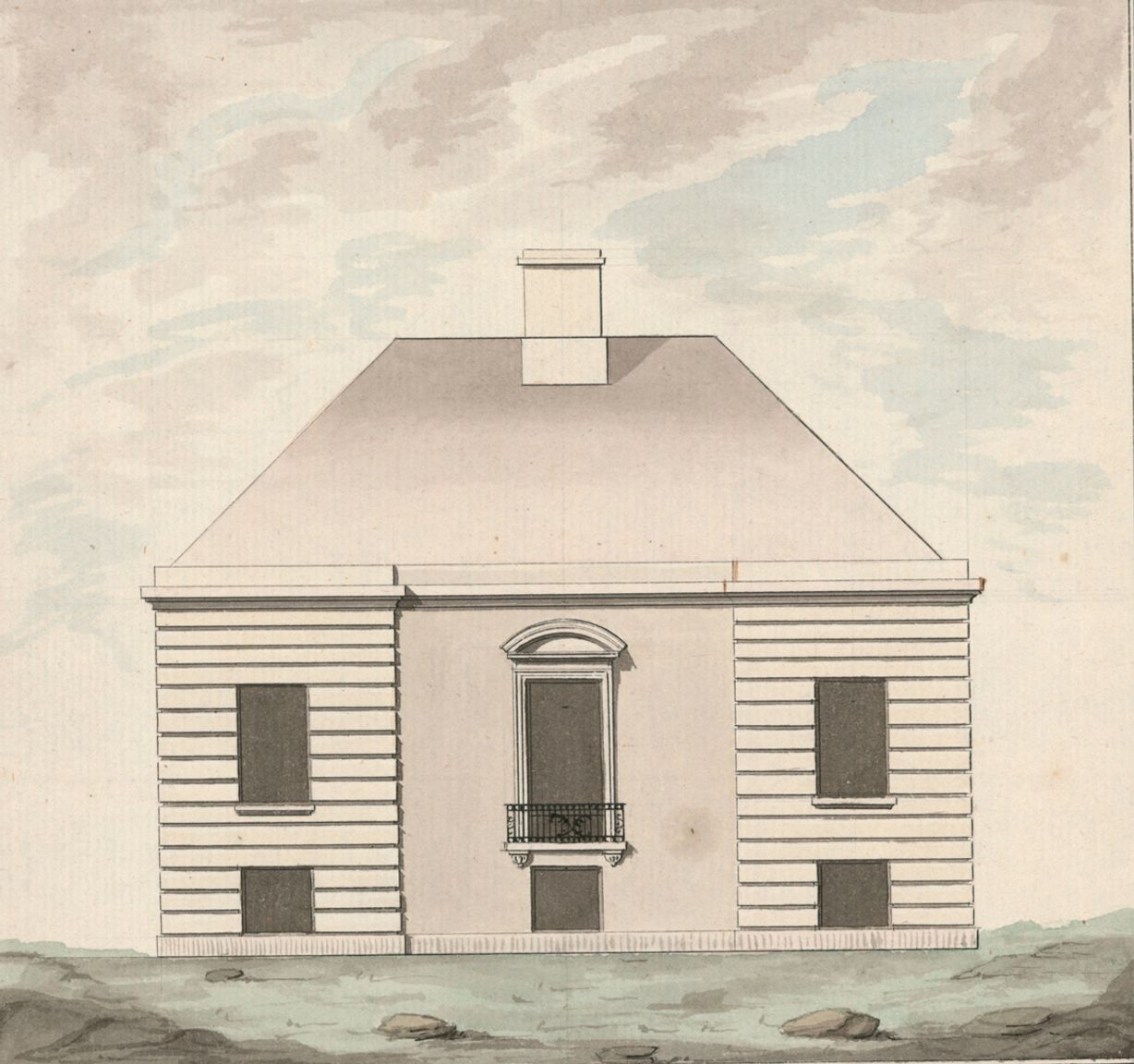
The ideals of the Enlightenment in practice
Antoine and Lisa lived in the midst of the Age of Enlightenment, when new ideas about freedom, nature and the individual’s right to shape their own life set the agenda. The 18th century placed humanity at the centre rather than religion, and it became a human right to think freely, own one’s land and determine one’s own destiny. At Liselund, the couple turned these ideals into reality in a garden where nature and culture, as well as reason and dreams, came together in perfect harmony.
5.
Charles' widow kept the dream alive
Following Antoine’s death in 1803 and Lisa’s in 1805, their son Charles Liselund inherited the estate, but he died in 1820 at the age of 39. His widow Martha continued to live in the small castle for the next 57 years, during which time she dressed in white and grey and surrounded herself with nothing but white animals. Her quiet life cemented Liselund’s reputation as a dreamlike place and attracted artists of the Golden Age, who immortalised its romantic spirit in their works.
Article
The Chinese Pavilion is a dream of the East
Article
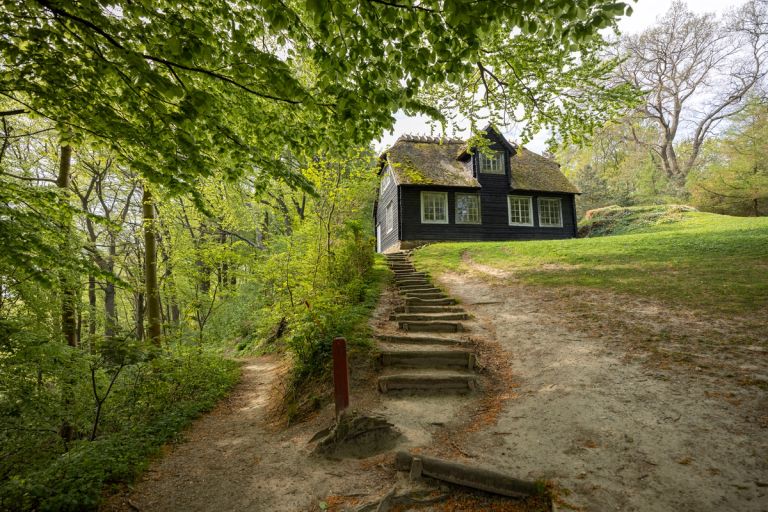
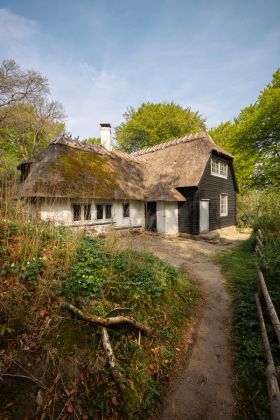
The Norwegian House hides Pompeii behind the timber